
Therapy Services · South Carolina
Specialized, private-pay therapy with Jeff Marcino, Psy.D, LPC — in person in Mount Pleasant and by secure telehealth across South Carolina.
Long Point Counseling offers private-pay addiction and substance abuse counseling in Mount Pleasant, SC for adults struggling with alcohol or drug misuse, relapse, shame, trauma, or relationship strain. Jeff Marcino, Psy.D, LPC, sees clients in person in the Charleston area and by secure telehealth anywhere in South Carolina.
Table of Contents

Addiction & Substance Abuse Counseling in Mount Pleasant, SC
If you’re looking for addiction counseling in Mount Pleasant, SC, I work with adults who feel caught between wanting things to change and not knowing how to change them. I see clients in person in Mount Pleasant, serving the greater Charleston area, and by secure telehealth anywhere in South Carolina.
This page is educational. It does not diagnose you, and it is not a substitute for therapy, medical care, or emergency help. Therapy is not detox. If you are in immediate danger, thinking about harming yourself, or facing a possible overdose or severe withdrawal, call or text 988, call 911 in an emergency, and seek medical care right away.
People often reach out because alcohol or drug use has started to create a pattern they cannot ignore: repeated relapse, secrecy, shame, conflict at home, work problems, or the sense that life is shrinking around the effort to manage it. Addiction and substance-use counseling is not mainly about labels. It is about understanding what is happening, what it is costing you, and what real help might look like.
When Substance Use May Be More Than “Just Stress Relief”
Most people do not start using with the intention of creating a serious problem. It often begins as relief: a way to come down after work, sleep, feel more social, turn off intrusive thoughts, or get through loneliness, grief, burnout, or conflict. Over time, the question shifts from “Do I want this?” to “Why does this keep happening even when I mean to stop?”
- Using more than you intended, or for longer than you planned.
- Making rules for yourself about when, where, or how much you will use, then breaking them.
- Trying to cut back and finding that it does not stick for long.
- Needing a substance to sleep, calm down, focus, socialize, or get through the end of the day.
- Hiding how much you use, minimizing it, or planning life around when you can use again.
- Spending more mental energy on it than you want to admit.
- Seeing consequences accumulate at home, at work, in your health, or in your sense of self.
Substance use also rarely lives in isolation. It often intersects with trauma, co-occurring anxiety and depression, grief, loneliness, perfectionism, and relationship conflict. The relief may be real and immediate. The cost often shows up later in trust, intimacy, motivation, mood, and day-to-day functioning.
Many of the adults I see look high-functioning from the outside: professionals, partners, and caring parents who are still showing up for a lot of life. You do not need to wait for a public collapse or a worst-case consequence to begin therapy. A lot of good work starts earlier, when you can already tell the slope is getting steeper.
Jeff Marcino’s Approach to Addiction Counseling
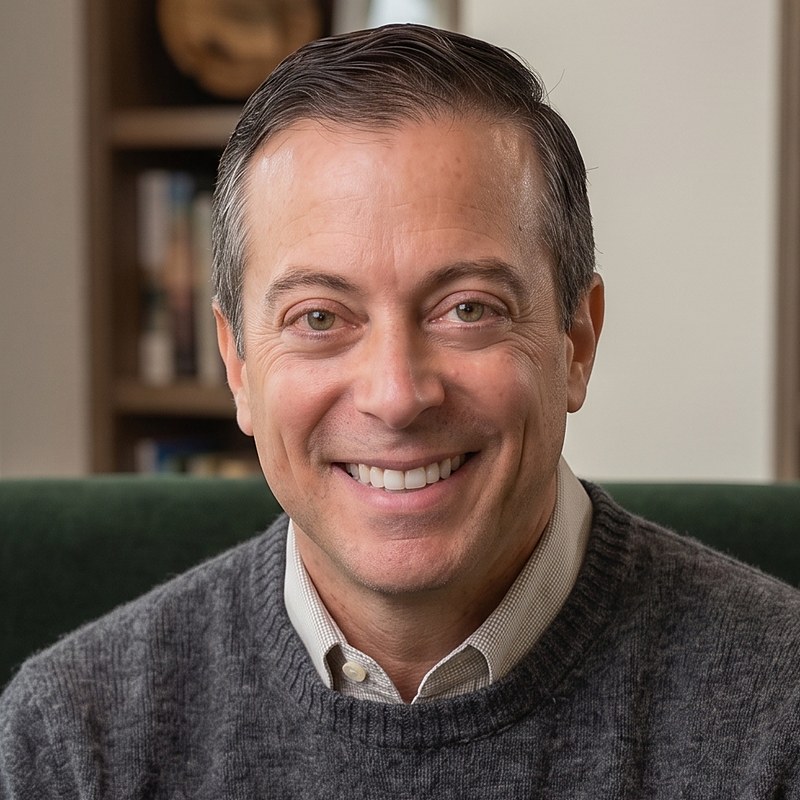
I’m Jeff Marcino, Psy.D, LPC, a clinical psychologist and licensed professional counselor with 20 years of clinical experience. My practice is based in Mount Pleasant, and I work with adults across the Charleston area in person and across South Carolina by telehealth.
My style is direct, compassionate, and trauma-informed. I am interested not only in what you are using, but in the job the substance is doing for you. Is it helping you numb shame? Sleep? Feel confident? Escape memories? Push through stress? Avoid painful conversations? Those details matter, because treatment gets more effective when it fits the function of the behavior instead of simply fighting the behavior in the abstract.
I also bring specialized training that many general therapists do not. My advanced certifications in The Daring Way™, Relational Life Therapy, and sex-addiction treatment help me work skillfully with shame and secrecy, attachment injuries, compulsive coping, and the relationship fallout that often surrounds addiction. The Daring Way supports shame-resilience work when self-criticism is blocking honesty and change. Relational Life Therapy can be especially helpful when substance use has damaged communication, trust, or intimacy; in some cases, individual therapy pairs well with couples therapy. My advanced sex-addiction treatment training is also highly relevant when there are overlapping compulsive behaviors, betrayal trauma, or partner injury in the picture. If substances and another compulsive pattern are feeding the same cycle, treating only one piece usually is not enough.
What Addiction Therapy Can Look Like
In an initial session, I want the full picture: your substance-use pattern, what tends to trigger it, your history, current stressors, strengths, relationships, motivation, and what you want to be different. I am listening for more than symptoms. I want to understand your context, your stuck points, and your reasons for change.
A big part of early therapy is making your cycle visible. For many people, the sequence looks something like this: trigger or stressor, body tension or emotional activation, a permission-giving thought, use, temporary relief, then shame or consequences. Once you can see your sequence clearly, relapse prevention becomes more practical. It is no longer just “try harder.” It becomes specific, trackable work.
Ongoing therapy may include:
- Recognizing urges and triggers earlier, before they take over.
- Understanding your relapse cycle and building a realistic relapse-prevention plan.
- Developing coping alternatives that fit your actual life, not an idealized version of it.
- Building accountability without humiliation.
- Strengthening emotion regulation so distress does not automatically become a cue to use.
- Changing environmental or relationship patterns that keep the cycle going.
- Working toward relationship repair where that is appropriate and desired.
Depending on your needs, I may also recommend additional support such as dedicated trauma therapy, a medication evaluation with a physician or psychiatry provider, an intensive outpatient or residential program, or recovery support groups such as AA, SMART Recovery, or another recovery community. Outpatient therapy can be an excellent fit for some people and insufficient for others. If you think you may not be able to stop safely, have risky withdrawal, or your use is creating serious medical or safety concerns, medical or more intensive care may need to come first.
Stopping some substances abruptly can be medically dangerous, especially alcohol, benzodiazepines, and other sedatives. If that may apply to you, a medical evaluation is important before trying to quit on your own.
In-Person in Mount Pleasant and Online Across South Carolina
I provide in-person counseling in Mount Pleasant for adults in the Charleston area, and I offer secure telehealth for clients anywhere in South Carolina. Telehealth often works especially well for busy professionals, parents, frequent travelers, or anyone who values privacy and convenience.
Good therapy can happen in either format. What matters most is that the structure makes it easier for you to show up consistently and honestly. This is a private-pay practice, and my fees and next steps are outlined clearly below so you know what to expect.
How to Get Started with Long Point Counseling
New clients begin with a brief confidential request that I personally review. If it appears we may be a good fit, we will discuss next steps and scheduling.
My fees are straightforward, and I’ll share them directly when you reach out, so the financial side is clear before we begin. I do not bill insurance directly.
If you feel unsure, ashamed, or late to this process, you are not alone. Reaching out does not require that you have the perfect words or a fully formed plan. It can simply be a first conversation about fit and about what kind of help makes sense now.
When you’re ready, you can start with a brief confidential request. If you’d like a broader sense of my work first, you can browse all therapy services.
You may have been carrying this alone for a long time. You do not have to keep doing that.
What kinds of addiction or substance use issues do you help with?
I help adults with alcohol misuse, prescription medication misuse, cannabis or other drug problems, repeated relapse, secrecy, shame, and the relationship fallout that often follows. I also work with people whose substance use overlaps with trauma, anxiety, depression, grief, or other compulsive behaviors. If outpatient therapy is not the right level of care, I’ll say that directly and help you think through next steps.
How do I know whether outpatient addiction counseling is enough, or if I may need detox or rehab?
Outpatient counseling can be a good fit when you can participate consistently and safely. A higher level of care may be needed if you are at risk for dangerous withdrawal, cannot stop without significant symptoms, are mixing substances, have had an overdose or severe withdrawal before, or your use is creating major safety or medical risks. Stopping alcohol, benzodiazepines, or other sedatives abruptly can be dangerous, so medical evaluation matters.
Can therapy help if my substance use is tied to trauma, anxiety, depression, or relationship problems?
Yes. In my experience, substance use often becomes a coping strategy for trauma, co-occurring anxiety and depression, grief, loneliness, burnout, or relationship pain. Therapy is often most effective when it addresses both the behavior and the function it serves. That can include shame-resilience work, emotion regulation, accountability, trauma therapy, and, when appropriate, relationship repair or couples therapy.
Do you offer addiction counseling in person in Mount Pleasant and online across South Carolina?
Yes. I offer in-person addiction counseling for adults in Mount Pleasant, convenient to the Charleston area, and secure telehealth for clients anywhere in South Carolina. Online sessions can work especially well for busy professionals, parents, travelers, or people who value privacy and convenience. We can talk about which format makes the most sense for your schedule and goals.
What are your fees, and do you take insurance?
Long Point Counseling is a private-pay practice. Working outside of insurance keeps your care confidential and shaped entirely around your goals, never capped by session limits or diagnosis codes. I’m glad to talk through current fees directly, so the financial side is clear from the start. I do not bill insurance directly. If you are considering working together, you will see the fees and process clearly before you begin so you can make an informed decision without pressure.
How do I get started with Jeff Marcino at Long Point Counseling?
New clients start by submitting a brief confidential request that I personally review. If it appears we may be a good fit, we will discuss next steps and scheduling. Reaching out does not obligate you to begin therapy; it can simply be a first step toward getting honest help and seeing whether my approach fits what you need.
Ready to talk to someone who specializes in this?
Jeff personally reviews every confidential request and reaches out about fit and next steps.
Ready to Begin?
New clients start with a brief, confidential request that Jeff personally reviews — in person in Mount Pleasant or online across South Carolina.
Request an AppointmentOr call 843-330-2336