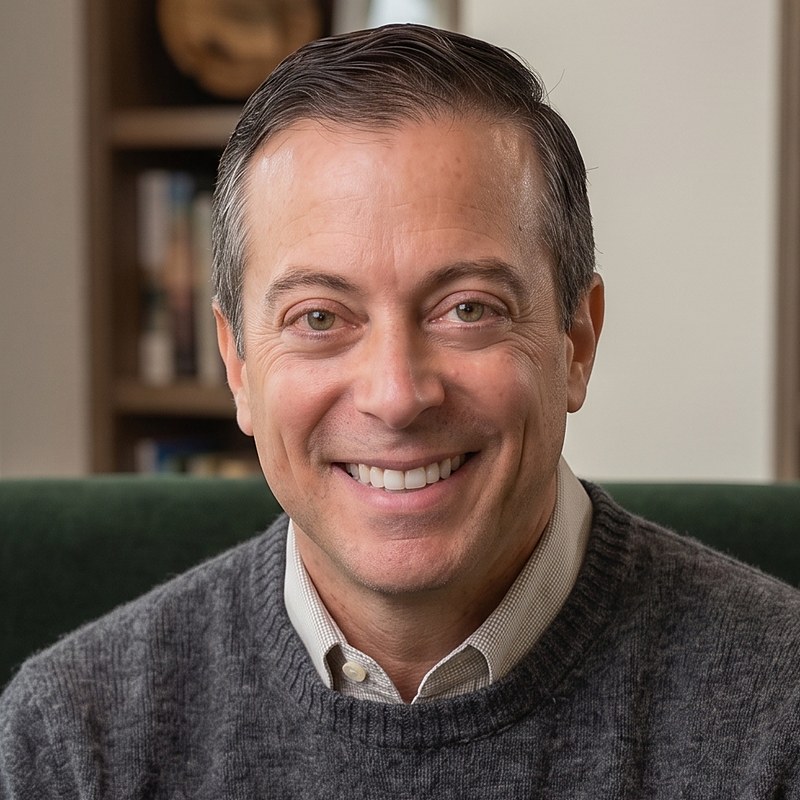

Jeff Marcino, Psy.D, LPC is a clinical psychologist and South Carolina-licensed professional counselor based in Mount Pleasant, with 20 years of experience. He holds advanced certifications in Relational Life Therapy, The Daring Way™, and sex-addiction treatment, specializing in trauma, betrayal trauma, sex addiction, and couples therapy for the Charleston area in person and all of South Carolina by secure telehealth.
Table of Contents
Jeff Marcino’s Credentials at a Glance
If you’re reviewing Jeff Marcino credentials and licensure before reaching out, that’s a wise place to start. When people are considering therapy for trauma, betrayal, compulsive sexual behavior, or relationship pain, they should be able to see a clinician’s training clearly and in plain English.
- Full professional name: Jeff Marcino, Psy.D, LPC
- South Carolina licensure: clinical psychologist and licensed professional counselor
- Experience: 20 years of clinical work
- Location: Mount Pleasant, South Carolina, serving the greater Charleston area in person and all of South Carolina via secure telehealth
- Primary specialties: trauma, betrayal trauma, sex addiction, and couples therapy
Those are the essentials. The more helpful question is what those credentials mean for the quality and fit of care. That is what the rest of this page explains.
Degrees, Licensure, and What They Mean
Credentials matter most when they help you understand how a clinician was trained, what scope of practice they work under, and how accountable they are to professional standards.
Psy.D
A Psy.D is a Doctor of Psychology degree. In practical terms, that points to doctoral-level clinical training centered on psychotherapy, assessment, case formulation, and treatment planning. For clients, that means I bring a strong foundation for understanding not just symptoms on the surface, but the patterns, history, and context underneath them.
LPC
An LPC is a Licensed Professional Counselor. That licensure reflects graduate counseling training, supervised clinical experience, and ongoing compliance with state ethical and professional requirements. It also speaks to the heart of the work itself: a structured, relationship-based process focused on helping people make meaningful change.
Together, these credentials support the work I do every day: careful assessment, thoughtful treatment planning, and psychotherapy tailored to the person or couple in front of me. They also mean I practice under South Carolina licensure and professional oversight rather than outside of a regulated system.
If you would like to verify licensure independently, you can use the South Carolina Department of Labor, Licensing and Regulation (LLR) license lookup tools and the relevant state board directories for psychology and professional counseling. I encourage that kind of due diligence.
Advanced Certifications and Specialized Training
Many therapists are generalists. There is nothing wrong with that. But when therapy involves betrayal, secrecy, high-conflict dynamics, trauma responses, shame, or compulsive sexual behavior, specialized training can make a meaningful difference.
Relational Life Therapy
I hold advanced certification in Relational Life Therapy (RLT). RLT is a direct, practical model for couples work that focuses on the patterns keeping partners stuck: defensiveness, withdrawal, contempt, over-accommodation, control, and the ways each person protects themselves at the expense of the relationship. In sessions, that helps me move beyond endless replaying of arguments and toward accountability, clearer boundaries, and real repair.
The Daring Way™
I am also certified in The Daring Way™, a model based on Brené Brown’s work on shame, vulnerability, courage, and resilience. That training is especially relevant when someone feels flooded with self-blame, perfectionism, secrecy, or fear of being fully seen. It helps me work with emotional exposure in a way that is grounded rather than performative.
Advanced sex-addiction treatment training
I have advanced training in sex-addiction treatment. Some people use the term sex addiction; others relate more to language like compulsive sexual behavior or out-of-control sexual behavior. Whatever language fits best, this work often involves cycles of secrecy, shame, broken trust, disclosure, and relationship fallout. Specialized training matters because both the individual and the partner may be carrying significant pain, and therapy needs to address more than the behavior alone.
I continue to stay engaged in professional development and consultation so my work remains clinically current and responsive to the kinds of cases I treat most often.
Clinical Focus: How Jeff’s Training Applies in Therapy
My core clinical focus is trauma therapy, betrayal trauma, sex addiction, and couples therapy. I also work with depression, anxiety, grief, addiction, and recovery after narcissistic abuse.
Specialized training matters because these concerns often do not arrive neatly separated. A person may be carrying trauma and shame at the same time. A couple may be trying to understand betrayal while also navigating panic, anger, numbness, or years of unresolved conflict. Someone recovering from narcissistic abuse may be struggling to trust their own perception, set boundaries, or feel safe in relationships again.
In that kind of work, therapy has to do more than offer generic support. It needs to be able to hold complexity: the nervous-system impact of trauma, the relational impact of betrayal, the shame that can fuel secrecy, and the practical work of rebuilding honesty, clarity, and connection where possible.
I want to be careful here: this page is educational. It is not therapy, and it is not a diagnosis. I cannot tell from a webpage what you are dealing with or what kind of treatment would fit best. What I can tell you is that my training is intentionally aligned with the concerns people most often bring to my practice.
If you are in crisis, thinking about harming yourself, or feel unable to stay safe, call or text 988 for the Suicide & Crisis Lifeline, or call 911 in an emergency.
What It’s Like to Work with Jeff
My style is direct, grounded, relational, and trauma-informed. I am not a passive therapist. I pay close attention, I ask important questions, and I will be honest with you in a respectful way. The goal is not to overwhelm you or take over your process. The goal is to help you see clearly, work steadily, and move toward meaningful change.
I offer sessions in person in Mount Pleasant for clients in the greater Charleston area, and I also provide secure telehealth throughout South Carolina. That gives people flexibility while still keeping the work focused and private.
Long Point Counseling is a private-pay practice. Working outside of insurance keeps your care confidential and shaped entirely around your goals, never capped by session limits or diagnosis codes. I’m glad to talk through current fees directly, so the financial side is clear from the start. I believe it is important to be clear about fees from the start.
New clients begin with a brief, confidential request that I personally review. You are not sending your first message into a generic intake system and hoping for the best. I read it myself, consider the fit carefully, and respond about next steps. The point is not pressure. The point is clarity.
How to Verify Credentials and Request an Appointment
If verifying credentials is important to you, I respect that. You can confirm South Carolina licensure through the state’s LLR license lookup resources and the relevant board listings for psychology and professional counseling.
If you decide to reach out, the simplest next step is to request an appointment. In your confidential message, it helps to share the main concern bringing you in and whether you prefer in-person care in Mount Pleasant or telehealth anywhere in South Carolina.
After that, I personally review your request and respond about fit, availability, and next steps. If working together makes sense, we can move forward. If it does not, the aim is still to leave you with more clarity, not more pressure.
Professional Experience
- Owner & Clinical Psychologist — Long Point Counseling, LLC, Charleston, SC (2006–present). Individual, couples, and family therapy; supervision of associate clinicians and graduate interns.
- Director of Behavioral-Health Programming — Palmetto Lowcountry Behavioral Health, Charleston, SC (2003–2006). Designed inpatient and outpatient therapeutic programming and led cross-departmental care teams.
- Triage Director — regional hospital network of nine emergency departments, SC Lowcountry (2001–2006). Led crisis response and trained clinical staff in suicide prevention, trauma response, and behavioral stabilization.
Education, Licensure & Affiliations
- Education: Psy.D (Doctor of Psychology); MS, Clinical Mental Health Counseling
- Licensure (South Carolina): Clinical Psychologist; Licensed Professional Counselor
- Certifications: Relational Life Therapy; The Daring Way™; advanced sex-addiction treatment training
- Affiliations: American Psychological Association (APA); South Carolina Counseling Association; International Institute for Trauma and Addiction Professionals (IITAP)
Request an Appointment
New clients begin with a brief, confidential request that Jeff personally reviews.