
Therapy Services · South Carolina
Specialized, private-pay therapy with Jeff Marcino, Psy.D, LPC — in person in Mount Pleasant and by secure telehealth across South Carolina.
Long Point Counseling offers CBT therapy in Mount Pleasant, SC, with in-person care for the Charleston area and secure telehealth across South Carolina. I’m Jeff Marcino, Psy.D, LPC, and I use cognitive behavioral therapy in a practical, trauma-informed way to help adults change stuck thought and behavior patterns tied to anxiety, depression, grief, stress, addiction recovery, and relationship struggles.
Table of Contents

What CBT Therapy Is and Who It Can Help
Cognitive behavioral therapy (CBT) is based on a straightforward idea: thoughts, emotions, body responses, and behaviors influence each other. If you repeatedly think, “I’m going to mess this up,” you may feel more anxious, avoid the situation, and then interpret that avoidance as proof you could not handle it. CBT helps you notice that loop and change it.
That does not mean CBT is “just positive thinking,” and it does not mean pain is your fault. Good CBT is structured, practical, and goal-oriented. We look at automatic thoughts, deeper beliefs, and the habits that keep a problem going. Then we work on more accurate thinking and more helpful behavior, usually in small, repeatable steps.
Research consistently shows CBT can be helpful for many people dealing with:
- Anxiety, worry, and panic
- Depression and low mood
- Stress and burnout
- Grief and loss
- Shame, self-criticism, and perfectionism
- Rumination, avoidance, and other patterns that keep people stuck
CBT can also be useful for some parts of trauma recovery. At the same time, trauma work often needs a broader, trauma-informed plan that pays attention to safety, pacing, the nervous system, and relationship history. If you are looking for CBT therapy in Mount Pleasant, SC, the right question is not just “Does CBT work?” but “Is CBT the right fit for what I’m carrying right now?”
This page is educational only. It is not a diagnosis and not a substitute for therapy with a licensed clinician.
CBT With Jeff Marcino, Psy.D, LPC
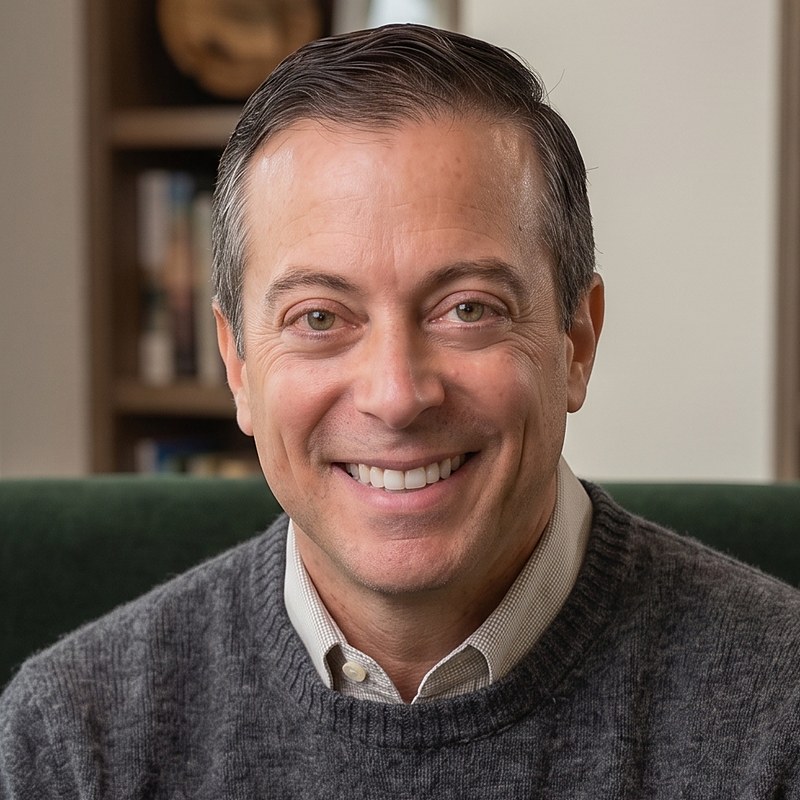
I’m Jeff Marcino, a clinical psychologist and licensed professional counselor with 20 years of clinical experience. Long Point Counseling is based in Mount Pleasant, serving the greater Charleston area in person and adults across South Carolina through secure telehealth.
When CBT is the right tool, I use it in a practical, direct way. I also work from a trauma-informed perspective and integrate other modalities when clinically appropriate, including Relational Life Therapy, The Daring Way™ approach, and advanced training in sex-addiction treatment. If you would like a broader overview of my all therapy services, you can start there.
That matters because many adults who reach out to me are not dealing with a single, neat problem. Anxiety may be tangled with grief. Depression may live alongside shame, compulsive behavior, betrayal trauma, addiction recovery, or entrenched relationship patterns. In those situations, a rigid protocol can miss the point. I use CBT when it helps, slow down when more depth is needed, and say so if another approach makes better clinical sense.
If you want therapy that is thoughtful, honest, compassionate, and willing to hold you accountable without shaming you, that is the kind of work I try to offer.
What CBT Sessions Are Like
Treatment usually starts with a careful understanding of your current concerns, relevant history, goals, triggers, and recurring patterns. Before we try to change a thought or behavior, I want to understand the context around it.
From there, CBT sessions are collaborative. We pay attention to automatic thoughts, assumptions, core beliefs, and behaviors that may be keeping the problem in motion. For one person, that may look like panic followed by avoidance. For another, it may be self-criticism followed by withdrawal, numbing, or acting out.
Depending on your needs, CBT work may include:
- Reframing unhelpful or distorted thoughts in a way that is realistic, not forced
- Behavioral activation when depression, shutdown, or loss of momentum has taken over
- Behavioral experiments to test fearful predictions instead of living as if they are facts
- Coping skills for anxiety, rumination, urges, shame, and overwhelm
- Between-session practice when it is likely to help, not as homework for homework’s sake
Some sessions are more skills-focused. Others are slower and more exploratory. I do not force a workbook pace if that is not what you need. We review progress as we go, notice what is changing, and adjust the plan if something is not landing. Good therapy should be responsive, not mechanical.
When CBT Helps Most—and When Another Approach May Be Better
CBT often helps most when the problem involves clear loops of thinking and behavior: worry, panic, rumination, depression, avoidance, perfectionism, shame spirals, or relapse-trigger patterns in recovery. It can be especially useful when you understand, at least intellectually, what you “should” do but keep getting pulled into the same reactions anyway.
It can also support adults recovering from betrayal trauma, narcissistic-abuse dynamics, or addiction by strengthening insight, boundaries, and coping. For example, CBT may help someone notice the thought “Maybe I’m overreacting” after a clear betrayal, slow that thought down, compare it to the facts, and respond from clarity instead of confusion or self-blame.
But there are times when classic CBT is not the whole answer. If you live with complex trauma, dissociation, chronic emotional flooding, or deeply relational wounds, you may first need more emphasis on safety, grounding, attachment, and trauma processing. In those cases, CBT may be one helpful part of treatment rather than the entire model. If trauma is central to what you are dealing with, you can also read more about my trauma therapy approach.
I will tell you honestly if I think another therapy approach—or a referral to a different specialist—would serve you better. I would rather help you find the right treatment than try to fit you into the wrong one.
In-Person CBT in Mount Pleasant and Telehealth Across South Carolina
I offer in-person CBT in Mount Pleasant for adults in the greater Charleston area, as well as secure telehealth for adults located anywhere in South Carolina. That includes people in Mount Pleasant, Charleston, and communities across the state who want consistent care without a long drive.
Some people prefer office sessions because the space itself helps them shift gears and focus. Others prefer online therapy because it is easier to protect time, reduce commuting, and stay consistent around work, parenting, travel, or health limitations. Telehealth can also make treatment more accessible if you live outside the Charleston area and still want to work with a clinician whose approach fits you.
Both formats can work well. The best option is the one that gives you enough privacy to talk openly and enough consistency to stay engaged in the process.
Fees, Next Steps, and How to Get Started
Long Point Counseling is a private-pay practice. Working outside of insurance keeps your care confidential and shaped entirely around your goals, never capped by session limits or diagnosis codes. I’m glad to talk through current fees directly, so the financial side is clear from the start. I do not bill insurance directly, so it is important to know the fee structure up front and decide whether private-pay care is the right fit for you.
Getting started is simple: submit a brief, confidential request that I personally review. If anxiety is a big part of what brings you here, you may also want to read about my approach to anxiety therapy. If you want to explore whether CBT therapy with me could be a good fit, request a confidential consultation by sending that brief form. There is no pressure—just a straightforward next step.
Please note: Long Point Counseling is not a crisis service. If you are in immediate danger, thinking about harming yourself, or need urgent mental health support, call or text 988 (Suicide & Crisis Lifeline). Call 911 in an emergency.
What issues can CBT therapy help with?
CBT often helps with anxiety, panic, depression, stress, grief, rumination, perfectionism, shame, self-criticism, avoidance, and relapse-trigger patterns. It can also support people in addiction recovery or rebuilding after betrayal trauma by helping them understand triggers, question distorted conclusions, and respond more intentionally. Whether it fits your situation is something we would evaluate together.
Is CBT a good fit for trauma or betrayal trauma?
Sometimes. CBT can be very useful for parts of trauma recovery, especially when someone needs help with fear loops, intrusive thoughts, shame, avoidance, or boundary-setting after betrayal trauma. But complex trauma, dissociation, or long-standing relational wounds often need a broader trauma-informed plan. I may integrate CBT with trauma therapy and relational work rather than use CBT as the whole treatment model.
What happens in the first CBT session?
The first session is focused on understanding the problem before jumping into tools. We look at what brought you in, relevant history, current stressors, goals, triggers, and the patterns that keep repeating. If CBT seems appropriate, we begin mapping the thought-emotion-behavior cycle and discuss what a practical treatment plan could look like.
Do you offer in-person CBT in Mount Pleasant and online therapy across South Carolina?
Yes. I offer in-person CBT at my Mount Pleasant office for adults in the greater Charleston area, and secure telehealth for adults anywhere in South Carolina. Some people prefer the structure of an office visit; others value the convenience and consistency of online sessions. Together, we can decide which format fits best.
What are your fees, and do you take insurance?
Fees are private-pay and shared directly when you reach out. Long Point Counseling is a private-pay practice and does not bill insurance directly. The goal is to be transparent about cost from the start so you can decide whether this arrangement works for you before moving forward.
How do I get started with Jeff Marcino?
Start by submitting a brief, confidential request through the booking page. I personally review each request, and if it appears I may be a good fit, the next step is scheduling an initial session. You are welcome to reach out even if you are not fully sure yet; the goal is simply to explore fit.
Ready to talk to someone who specializes in this?
Jeff personally reviews every confidential request and reaches out about fit and next steps.
Ready to Begin?
New clients start with a brief, confidential request that Jeff personally reviews — in person in Mount Pleasant or online across South Carolina.
Request an AppointmentOr call 843-330-2336